Non-Profit
American Society of Clinical Oncology (ASCO)
Building a Publication Brand from Audience Insight to Implementation
Brand Strategy • Audience Research • Visual Identity • Publication Design • Digital Experience • Implementation

The Opportunity
The American Society of Clinical Oncology is a global leader in cancer research and education, with a family of highly respected journals that serve oncologists, researchers, authors, and institutions around the world.
When ASCO and its publishing partner, Wolters Kluwer, set out to evolve the ASCO Journals brand and experience, the challenge went far beyond creating a new visual look.
The journals needed to work as a cohesive family while maintaining the individual identity of each publication. Print and digital experiences needed to feel connected. Complex scientific content needed to become easier to navigate and consume. And every design decision needed to reflect how ASCO’s audiences actually interact with its publications.
That meant we couldn’t start with design. We had to start by listening.
Strategy Before Design
Celerate began with an immersive research and discovery process, engaging ASCO journal leadership, editors, committee members, staff, members, authors, and other stakeholders to understand how they experienced the publications and where opportunities existed to improve them.
We combined stakeholder and audience research with competitive analysis and an examination of how readers were actually using ASCO’s digital publication experience.
That research uncovered needs that went well beyond aesthetics.
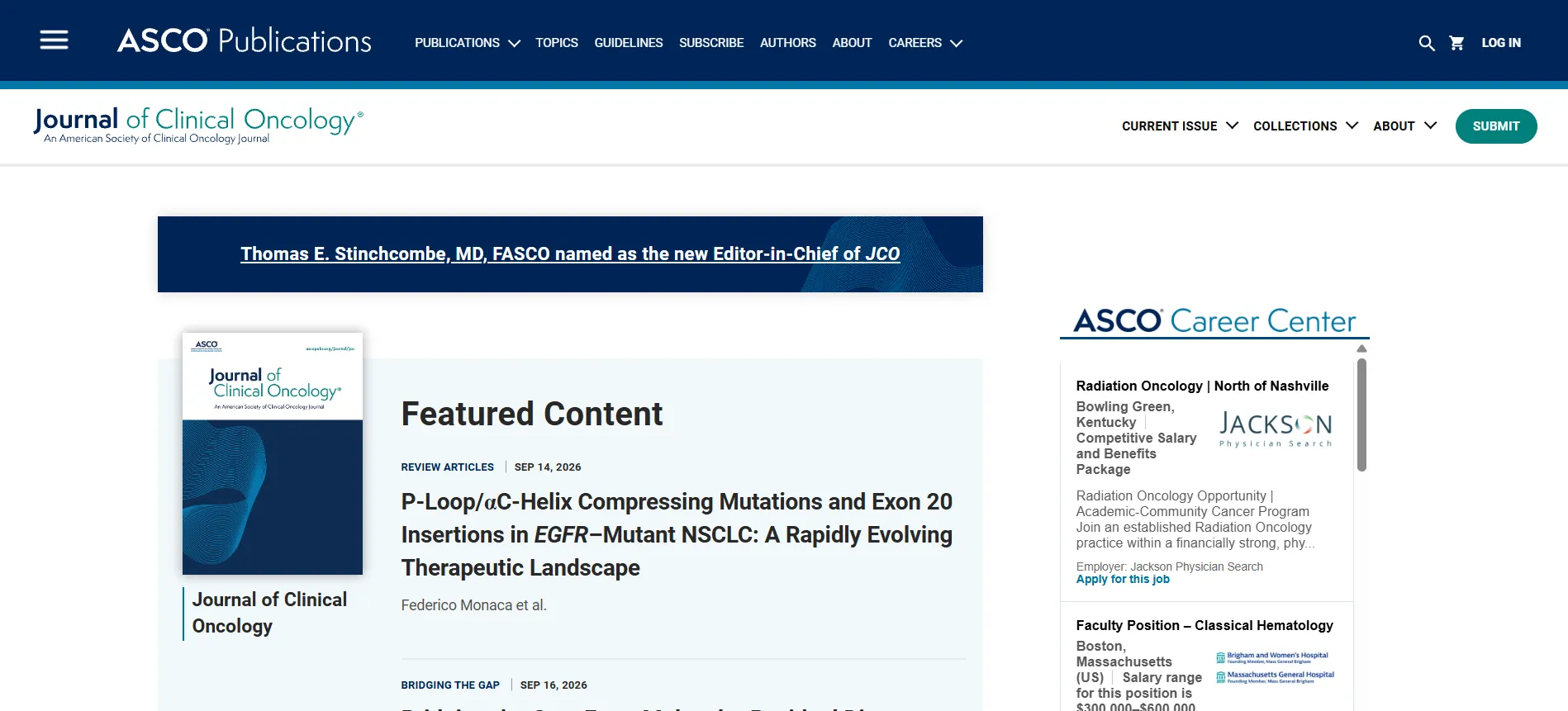
For example, the For Authors experience contained essential submission information, but its structure made it difficult for authors to quickly find what they needed. Rather than simply restyling the existing pages, we rethought the information architecture around the author’s journey making critical submission guidance easier to understand, navigate, and act upon.
Insights like these became the foundation for the brand and experience strategy.

Turning Strategy Into a Publication Brand
With that foundation established, Celerate translated the research into a visual system capable of working across the entire ASCO Journals ecosystem.
We developed and refined:

Journal identities, logos, color systems, and imagery
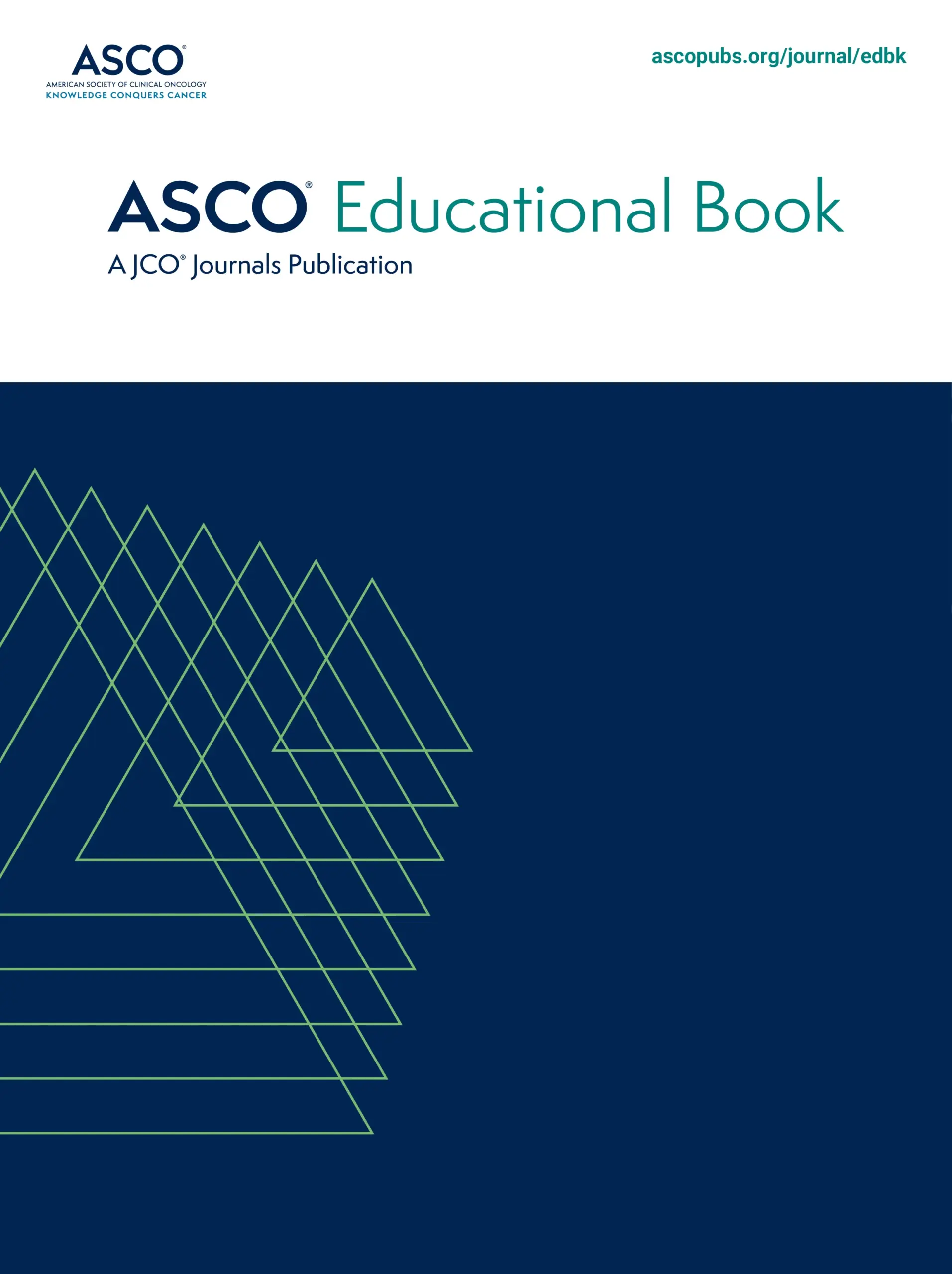
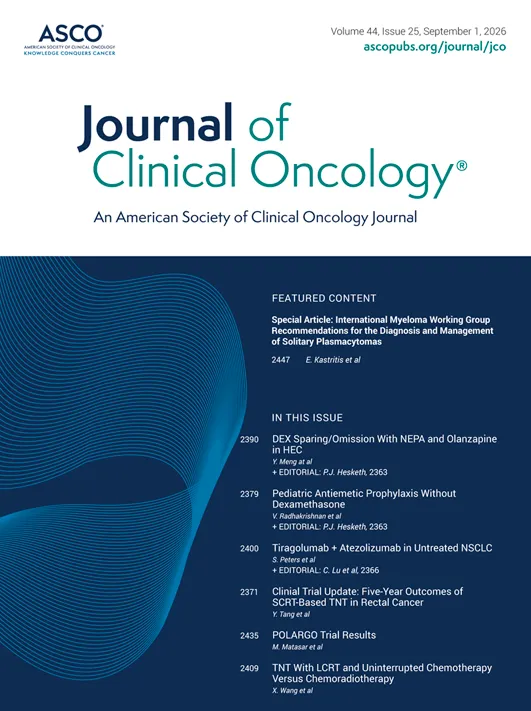
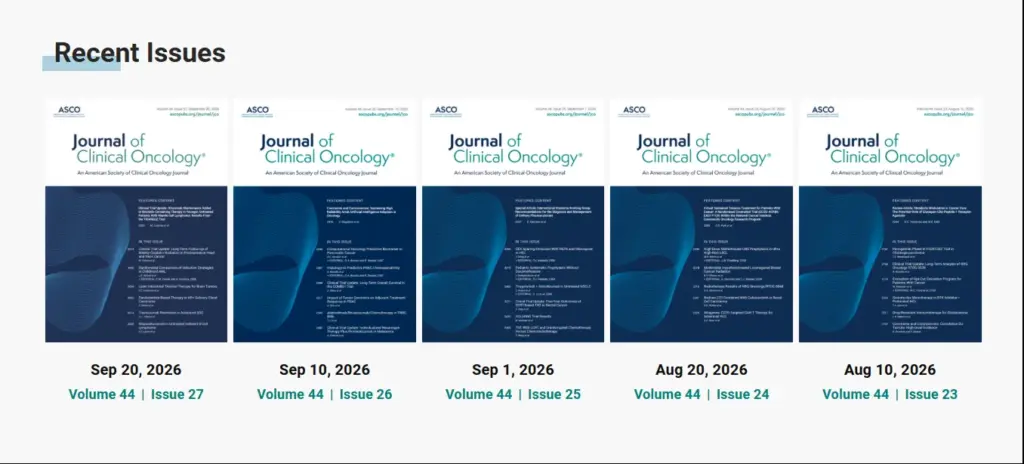
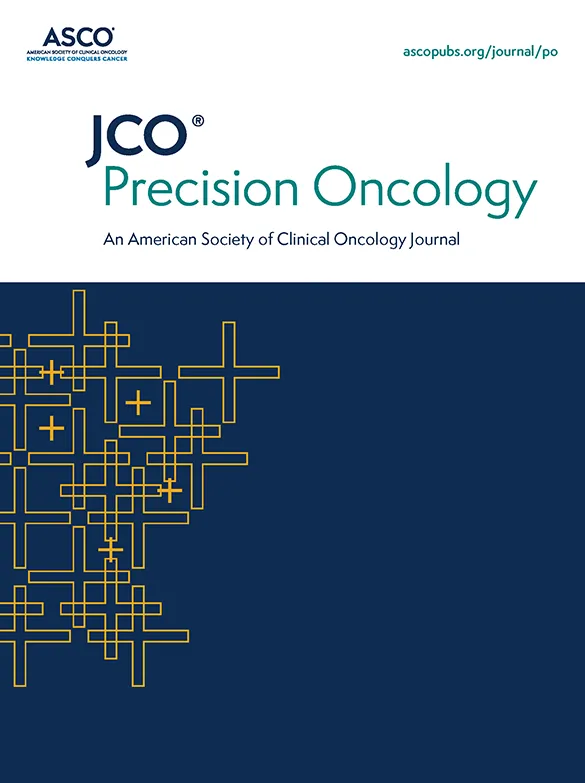
A cohesive family of journal covers
Magazine and supporting publication design
Interior journal design, including typography, hierarchy, article structure, figures, references, and supporting content
Article-level digital experiences
Web graphics and publication-specific digital brand elements
Email templates and other audience communications
For new journal initiatives, our work extended into competitive positioning, journal naming, logo development, cover concepts, article-page art direction, and the supporting digital assets needed to carry the new brand online.
The goal wasn’t simply consistency. It was to create a recognizable ASCO publication family in which each journal could maintain its own identity while clearly belonging to something larger.
Bringing the Brand to Life Digitally
Our role didn’t end when the designs were approved.
Celerate worked alongside Wolters Kluwer and Atypon to translate the strategy and visual system into the ASCO Publications digital experience. The implementation scope included defining functional specifications, determining templates and custom widgets, conducting usability testing, performing design and functionality QA, and providing ongoing development support.
And when a platform limitation threatened the intended experience, we didn’t simply hand the problem off.
We worked with the publishing and technology teams to find a solution and, where needed, developed the HTML/CSS or custom page implementation ourselves so that the experience could remain true to the strategy.
That distinction matters.
We don’t hand over a brand and hope it survives implementation. We stay involved to help make sure it does.
Extending the Experience
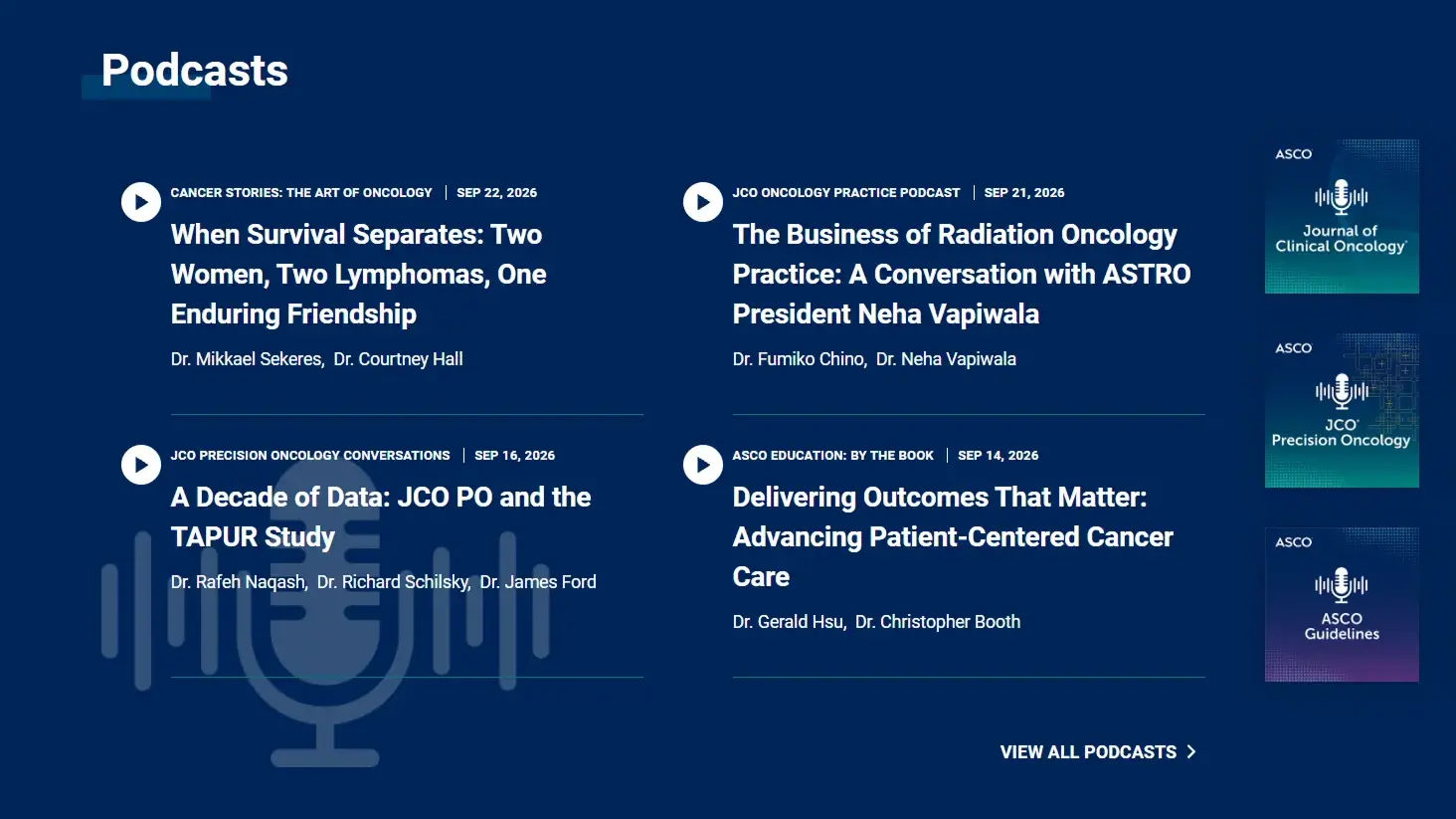
The brand system continued beyond journal covers and web pages.
Celerate subsequently redesigned 11 ASCO Journal email templates, including journal alerts, conference editions, resource-center communications, personalized content emails, citation alerts, and other publication communications. The work focused on improving readability, responsive behavior, visual consistency, and engagement across the journal ecosystem.
This allowed the experience readers encountered on a journal cover or article page to carry through to the communications that brought them back to the publications.
The Result
What began as a publication redesign became a connected brand and audience experience spanning strategy, identity, print, digital, and implementation.
Celerate helped ASCO create a stronger and more cohesive journal family while improving how readers, researchers, and authors interact with complex scientific content.
Just as importantly, we helped bridge the space between ASCO’s vision, Wolters Kluwer’s publishing expertise, and Atypon’s technology platform providing continuity from the earliest research conversations through design, development, QA, and implementation.
Strategy First. Technology Second.
The ASCO engagement reflects how Celerate approaches branding and design.
We don’t begin by asking what something should look like.
We begin by asking who it needs to serve, what those audiences need, what isn’t working today, what the organization needs to communicate, and where the experience needs to go next.
Then we build the brand around those answers.
And we stay with it through design, technology, implementation, testing, and launch so the strategy that looked great in the presentation is still there in the experience people actually use.
Because a brand isn’t just what you design. It’s what people experience.