
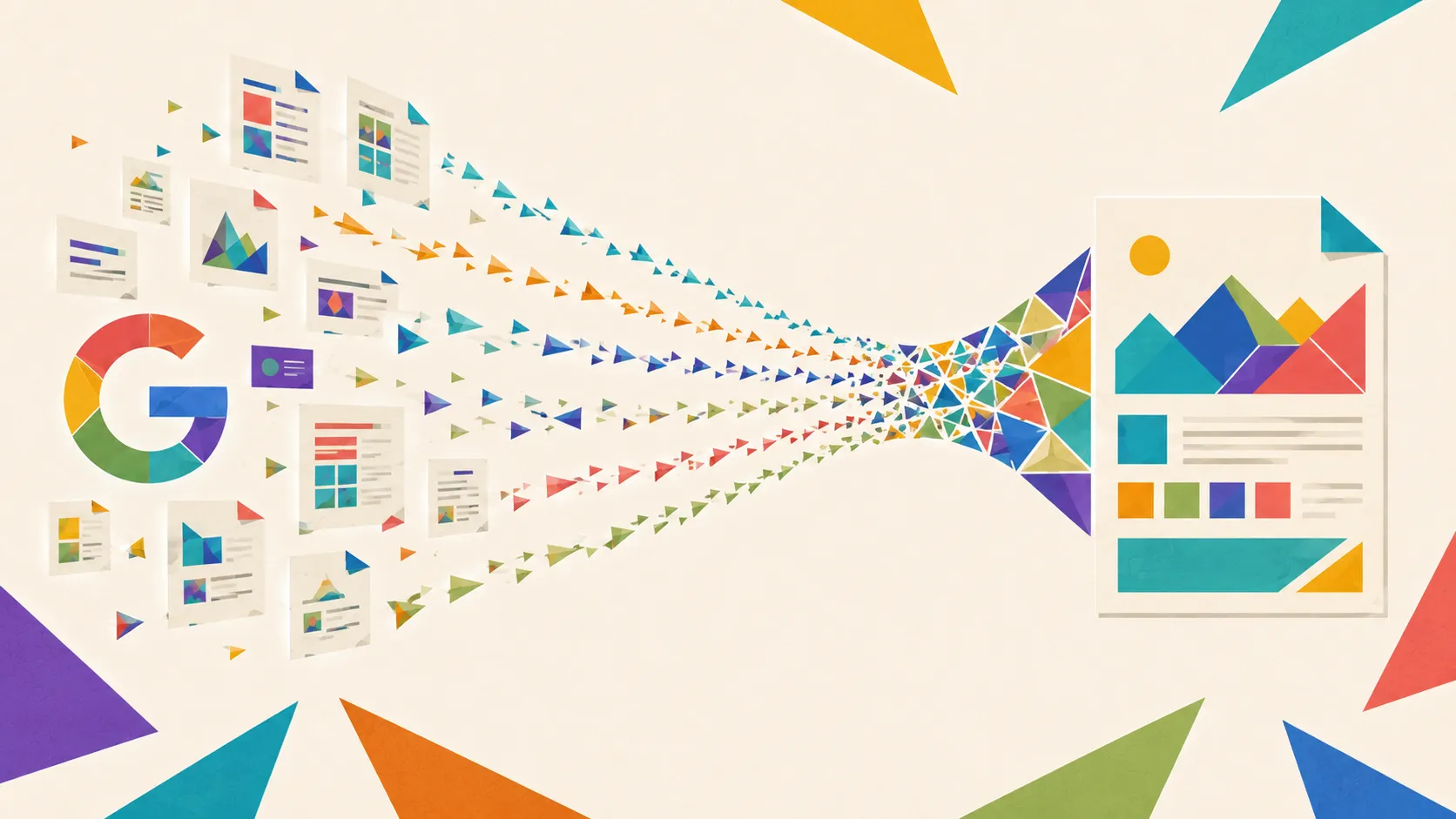
For years, nonprofits have relied on search to get work done.
Need a flyer template? Google it. Need sample language for a program description? Search. Need ideas for a donor email? Open ten tabs and start stitching things together.
Search has been the backbone of digital work for a long time. But AI changes the equation, not by replacing search, but by changing how we interact with information altogether.
Understanding the difference between search and AI is critical to using these tools responsibly and effectively.
Search Is About Retrieval
Traditional search is built to retrieve information.
You ask a question, and you get:
- A long list of links
- Templates built for someone else’s audience
- Blog posts of varying quality and age
- PDFs with outdated language or assumptions
For example, you might search:
“After-school reading program flyer nonprofit”
You’ll likely get:
- Thousands of results
- Generic Canva templates
- Programs that don’t match your community
- Language that feels off-brand or out of date
At that point, the real work begins. You’re still responsible for:
- Evaluating relevance
- Editing tone
- Adjusting for your audience
- Making sure nothing is misleading or inappropriate
Search gives you options, not answers.
AI Is About Understanding and Synthesis
AI works differently.
Instead of returning links, it attempts to understand your request and generate a response based on patterns it has learned.
You might prompt an AI tool with:
“Write a short, friendly flyer for parents about a free after-school reading program for 3rd–5th graders in Baltimore. Mention snacks, homework help, and how to register.”
In seconds, AI can give you:
- A warm, parent-friendly draft
- Language tailored to a specific audience
- A starting point that feels closer to “done”
That’s a fundamental shift.
AI doesn’t just retrieve information, it synthesizes it.
The Analogy That Helps Most
Here’s the simplest way to think about it:
Traditional search is like flipping through a phone book. AI is like talking to someone who’s already read the reviews for you.
That doesn’t mean the person is always right. It means they’re giving you a curated response instead of raw materials.
And that distinction is where both the opportunity and the risk live.
Why This Matters for Nonprofit Teams
Nonprofit teams are often:
- Under-resourced
- Time-constrained
- Managing multiple priorities at once
AI can dramatically reduce the time it takes to:
- Draft communications
- Brainstorm ideas
- Summarize complex information
- Create first drafts that teams can refine
When used well, this can reduce burnout and free staff to focus on higher-value work like relationships, strategy, and impact.
But there’s a tradeoff.
AI Feels Finished Even When It’s Not
One of the biggest risks with AI-generated content is that it sounds complete.
Because AI writes in polished, confident language, it’s easy to assume:
- The facts are correct
- The tone is appropriate
- The message aligns with your mission
That assumption is where things can go wrong.
AI doesn’t know:
- Your organization’s history
- Your donor relationships
- Your community’s sensitivities
- Your internal policies or commitments
Which means human review isn’t optional, especially when AI output is used externally.
Search Requires Effort. AI Requires Judgment.
Search demands time and effort. AI demands discernment.
With search, the risk is mostly inefficiency. With AI, the risk is misplaced trust.
That’s why responsible AI use isn’t about banning tools, it’s about teaching teams:
- When AI is helpful
- When it’s risky
- When human judgment must take the lead
The Real Shift: From Finding Content to Shaping It
Search asks you to find something that already exists.
AI helps you shape content for your specific context, your audience, your voice, your mission.
That’s incredibly powerful for nonprofits.
It’s also why leadership, governance, and review matter more than ever.
AI doesn’t remove responsibility. It changes where responsibility lives.