
Most outreach strategies focus on who you’re trying to reach.
Geofencing adds an equally powerful layer:
Where people are when they’re most likely to care.
For mission-driven organizations—nonprofits, associations, foundations, and purpose-led businesses—geofencing creates a rare opportunity to connect real-world moments with digital action. And unlike many advanced marketing tactics, it’s surprisingly accessible.
What Is Geofencing (In Plain English)?
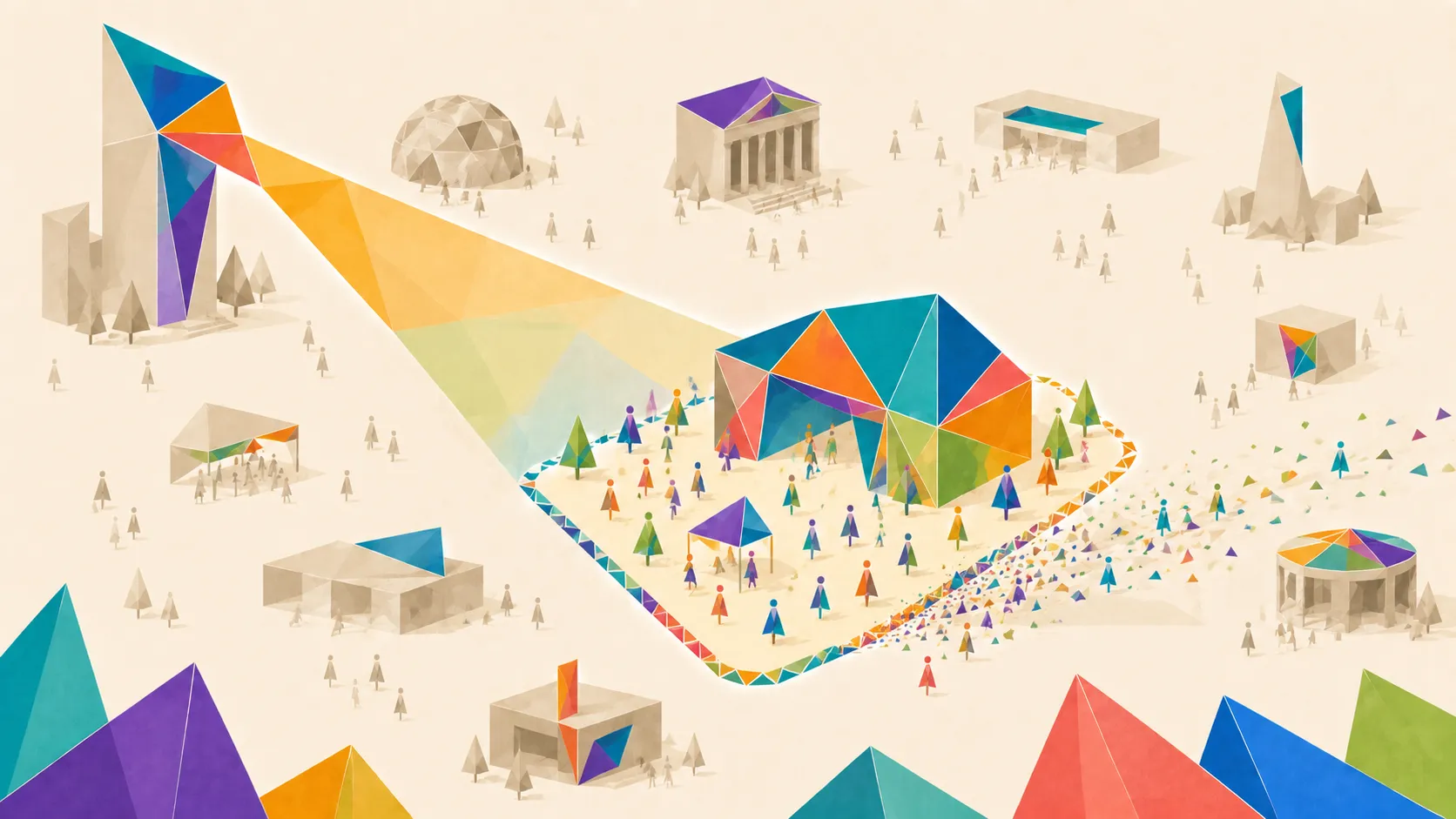
Geofencing allows you to show ads to people based on physical location.
Here’s how it works:
1
A virtual boundary (a “geofence”) is drawn around a real-world location
2
When someone with a mobile device enters that area, their device ID is anonymously captured
3
Ads can then be shown to that person across apps, websites, and devices
4
Messaging can continue for days or even weeks after they leave the location
This isn’t tracking individuals. It’s contextual targeting based on presence.
And because over 90% of people keep location services enabled on their phones, the reach is far broader than most organizations realize.
Why Geofencing Works So Well for Mission-Driven Organizations
Geofencing works because it aligns context, timing, and relevance.
Instead of guessing who might care, you’re reaching people who are already:
- Attending an event
- Engaging with a related space
- Participating in an experience connected to your mission
That context dramatically increases receptiveness.
Real-World Use Cases That Make the Potential Click
Let’s make this tangible.
Food Banks & Community Services
A food bank partnered with local grocery stores during a holiday food drive.
How it worked:
- Geofences were placed around participating grocery stores
- Shoppers entering the stores were added to a retargeting pool
- For the next four weeks, they saw ads encouraging:
- Online donations
- Purchasing extra groceries to donate
Result:
- Increased awareness
- Increased food and financial donations
- Messaging reached people already thinking about food and community need
This wasn’t broad advertising. It was situational relevance.
Conferences & Annual Meetings
Associations and professional organizations can use geofencing across the full event lifecycle.
1
Before the event
- Geofence the venue or expo center
- Target potential attendees with registration reminders
2
During the event
- Promote booth visits
- Highlight sessions, sponsors, or special offers
3
After the event
Retarget attendees with:
- Membership offers
- Continuing education
- Follow-up resources
The event becomes a sustained engagement opportunity—not a one-and-done moment.
Charity Races & Community Events
Geofencing is especially powerful for cause-based events like marathons or walks.
How it works:
- Geofences are placed along the route, start/finish areas, and nearby gathering points
- Participants and spectators are added to an audience pool
- Messaging evolves over time:
- During the event: stories, progress updates, mission moments
- After the event: donations, volunteering, ongoing involvement
This turns emotional, in-person experiences into long-term support.
Geofencing + Retargeting = Momentum
Geofencing becomes even more powerful when paired with retargeting.
Instead of a single impression:
- People continue seeing mission-aligned messages
- Across mobile, desktop, and tablet
- For up to 30 days after the initial interaction
This layered approach supports how people actually make decisions—gradually, with reinforcement.
Why This Isn’t as Expensive as You Think
Geofencing is often assumed to be enterprise-only. It’s not.
Because:
- You’re targeting specific locations, not massive audiences
- Campaigns can be time-bound
- Budgets can be tightly controlled
- You’re avoiding wasted impressions
For many mission-driven organizations, geofencing is one of the most efficient ways to spend limited marketing dollars.
Ethical Use Matters
Because geofencing is powerful, it must be used responsibly.
Best practices include:
- Avoiding sensitive locations (healthcare, shelters, schools where inappropriate)
- Focusing on mission-aligned messaging, not pressure
- Being transparent about data use
- Pairing geofencing with value-driven content
When done right, geofencing feels helpful—not invasive.
Turning Physical Presence Into Digital Action
Mission-driven work happens in the real world.
Geofencing bridges the gap between:
- In-person experiences
- Digital engagement
- Long-term relationships
It allows organizations to meet people where impact is already happening, and continue the conversation afterward.